Summer Hydration: Best Foods to Beat the Heat
As temperatures climb and the sun beats down relentlessly, staying hydrated becomes more than just a health recommendation—it's essential for survival and well-being. While reaching for a cold glass of water is always a good idea, many people don't realize that what's on their plate can be just as important as what's in their glass.

HOW TO MAKE AN AMERICAN COFFEE?
Lorem ipsum dolor sit amet, consectetur adipiscing elit lobortis arcu enim urna adipiscing praesent velit viverra sit semper lorem eu cursus vel hendrerit elementum morbi curabitur etiam nibh justo, lorem aliquet donec sed sit mi dignissim at ante.
- Neque sodales ut etiam sit amet nisl purus non tellus orci ac auctor
- Adipiscing elit ut aliquam purus sit amet viverra suspendisse potent
- Mauris commodo quis imperdiet massa tincidunt nunc pulvinar
- Excepteur sint occaecat cupidatat non proident sunt in culpa qui officia
ADDING WATER TO COFFEE
Vitae congue eu consequat ac felis placerat vestibulum lectus mauris ultrices cursus sit amet dictum sit amet justo donec enim diam porttitor lacus luctus accumsan tortor posuere praesent tristique magna sit amet purus gravida quis blandit turpis.

POURING COFFEE INTO THE WATER
At risus viverra adipiscing at in tellus integer feugiat nisl pretium fusce id velit ut tortor sagittis orci a scelerisque purus semper eget at lectus urna duis convallis. porta nibh venenatis cras sed felis eget neque laoreet suspendisse interdum consectetur libero id faucibus nisl donec pretium vulputate sapien nec sagittis aliquam nunc lobortis mattis aliquam faucibus purus in.
- Neque sodales ut etiam sit amet nisl purus non tellus orci ac auctor
- Adipiscing elit ut aliquam purus sit amet viverra suspendisse potenti
- Mauris commodo quis imperdiet massa tincidunt nunc pulvinar
- Adipiscing elit ut aliquam purus sit amet viverra suspendisse potenti
HANDLING THE INFUSION
Nisi quis eleifend quam adipiscing vitae aliquet bibendum enim facilisis gravida neque. Velit euismod in pellentesque massa placerat volutpat lacus laoreet non curabitur gravida odio aenean sed adipiscing diam donec adipiscing tristique risus. amet est placerat in egestas erat imperdiet sed euismod nisi.
“NISI QUIS ELEIFEND QUAM ADIPISCING VITAE ALIQUET BIBENDUM ENIM FACILISIS GRAVIDA NEQUE VELIT EUISMOD”
CONCLUSION
Eget lorem dolor sed viverra ipsum nunc aliquet bibendum felis donec et odio pellentesque diam volutpat commodo sed egestas aliquam sem fringilla ut morbi tincidunt augue interdum velit euismod eu tincidunt tortor aliquam nulla facilisi aenean sed adipiscing diam donec adipiscing ut lectus arcu bibendum at varius vel pharetra nibh venenatis cras sed felis eget.
As temperatures climb and the sun beats down relentlessly, staying hydrated becomes more than just a health recommendation—it's essential for survival and well-being. While reaching for a cold glass of water is always a good idea, many people don't realize that what's on their plate can be just as important as what's in their glass. The right summer hydration foods can help you maintain optimal fluid levels, replenish essential electrolytes, and keep you feeling refreshed throughout even the hottest days.
Why Food Matters for Hydration
When we think about hydration, we typically focus on drinking water. However, food can contribute significantly to your daily fluid intake—some estimates suggest that about 20% of our hydration comes from what we eat. During summer months, when we lose more fluids through perspiration, incorporating water-rich foods into your diet becomes increasingly important.
Beyond simple water content, many hydrating foods also provide crucial vitamins, minerals, and electrolytes that are lost through sweat. Sodium, potassium, and magnesium are essential for maintaining proper fluid balance in your body, regulating nerve function, and supporting muscle contractions. When you sweat profusely, you're not just losing water—you're losing these vital nutrients too.
The Juicy Truth About Water-Rich Fruits
Fruits are nature's hydration powerhouses, and summer offers an abundant variety of options that are both delicious and incredibly hydrating.
Watermelon: The Summer Classic
It's no coincidence that watermelon is a summer staple—this fruit is approximately 92% water, making it one of the most hydrating foods you can eat. Beyond its impressive water content, watermelon contains lycopene, a powerful antioxidant that may help protect your skin from sun damage. It's also rich in vitamins A and C, which support immune function and skin health. Whether enjoyed in slices, blended into smoothies, or tossed into salads, watermelon is the quintessential summer hydration food.
Papaya: The Tropical Hydrator
Papaya deserves a prominent spot on your summer menu. With a water content of about 88%, this tropical fruit not only helps keep you hydrated but also provides digestive benefits thanks to an enzyme called papain. Papaya is loaded with vitamin C, folate, and vitamin A, making it excellent for skin health and immune support. The fruit's vibrant orange flesh contains carotenoids that may offer additional protection against sun damage. Try papaya in fruit salads, smoothie bowls, or simply enjoy it fresh with a squeeze of lime.
Pineapple: Sweet Hydration with Benefits
Pineapple brings both tropical flavor and hydration to your summer table, with a water content hovering around 86%. This spiky fruit contains bromelain, an enzyme with anti-inflammatory properties that may help reduce swelling and support recovery after sun exposure or physical activity. Pineapple is also an excellent source of vitamin C and manganese. Grill it for a caramelized treat, blend it into smoothies, or add it to salsas for a refreshing twist on traditional recipes.
Grapefruit: The Tangy Refresher
Don't overlook grapefruit when planning your summer hydration strategy. At about 88% water content, this citrus fruit offers a tangy way to stay hydrated while providing nearly half your daily vitamin C requirement in just one half. Grapefruit also contains beneficial compounds like naringenin, which has antioxidant properties. While it's perfect halved and eaten with a spoon, grapefruit also works beautifully in salads, cocktails, or fresh-squeezed juice combinations.
Strawberries, Oranges, and More
Strawberries contain about 91% water and are packed with vitamin C and antioxidants. Oranges, at 87% water, provide both hydration and immune-boosting nutrients. Peaches, cantaloupe, and plums all offer excellent water content along with unique nutritional profiles that make them valuable additions to your summer diet.
Vegetables: The Underrated Hydration Heroes
While fruits often steal the hydration spotlight, vegetables can be equally effective at helping you maintain fluid balance during hot weather.
Cucumbers: The Hydration Champion
With an astounding 96% water content, cucumbers are perhaps the most hydrating food available. These cool, crisp vegetables are incredibly versatile—slice them into salads, blend them into cold soups like gazpacho, infuse them in water, or simply snack on them with hummus. Cucumbers also contain small amounts of vitamins K and C, along with various minerals.
Lettuce and Leafy Greens
Iceberg lettuce might not be the most nutritious leafy green, but at 96% water content, it's incredibly hydrating. Romaine lettuce offers a better nutritional profile with about 94% water content. Spinach and other leafy greens typically contain 90-95% water while providing essential nutrients like iron, calcium, and vitamins A and K.
Celery: The Crunchy Cooler
At 95% water content, celery is another excellent choice for summer hydration foods. Its high water content and natural sodium make it particularly good for replacing electrolytes lost through sweating. Celery is also low in calories and can be enjoyed with nut butter, in salads, or juiced with other vegetables and fruits.
Tomatoes: Versatile and Hydrating
Technically a fruit but commonly used as a vegetable, tomatoes contain about 94% water. They're also rich in lycopene, vitamin C, and potassium. Enjoy them fresh in salads, blended into chilled gazpacho, or simply sliced with a drizzle of olive oil and fresh basil.
Zucchini and Bell Peppers
Summer squash like zucchini offers about 94% water content and can be enjoyed raw in salads, spiralized into "zoodles," or lightly grilled. Bell peppers, at around 92% water content, provide impressive amounts of vitamin C—especially red peppers—and add crunch and color to summer dishes.
Building Hydrating Meals
Understanding which foods are hydrating is just the first step—incorporating them into appealing meals makes the real difference. Here are some strategies:
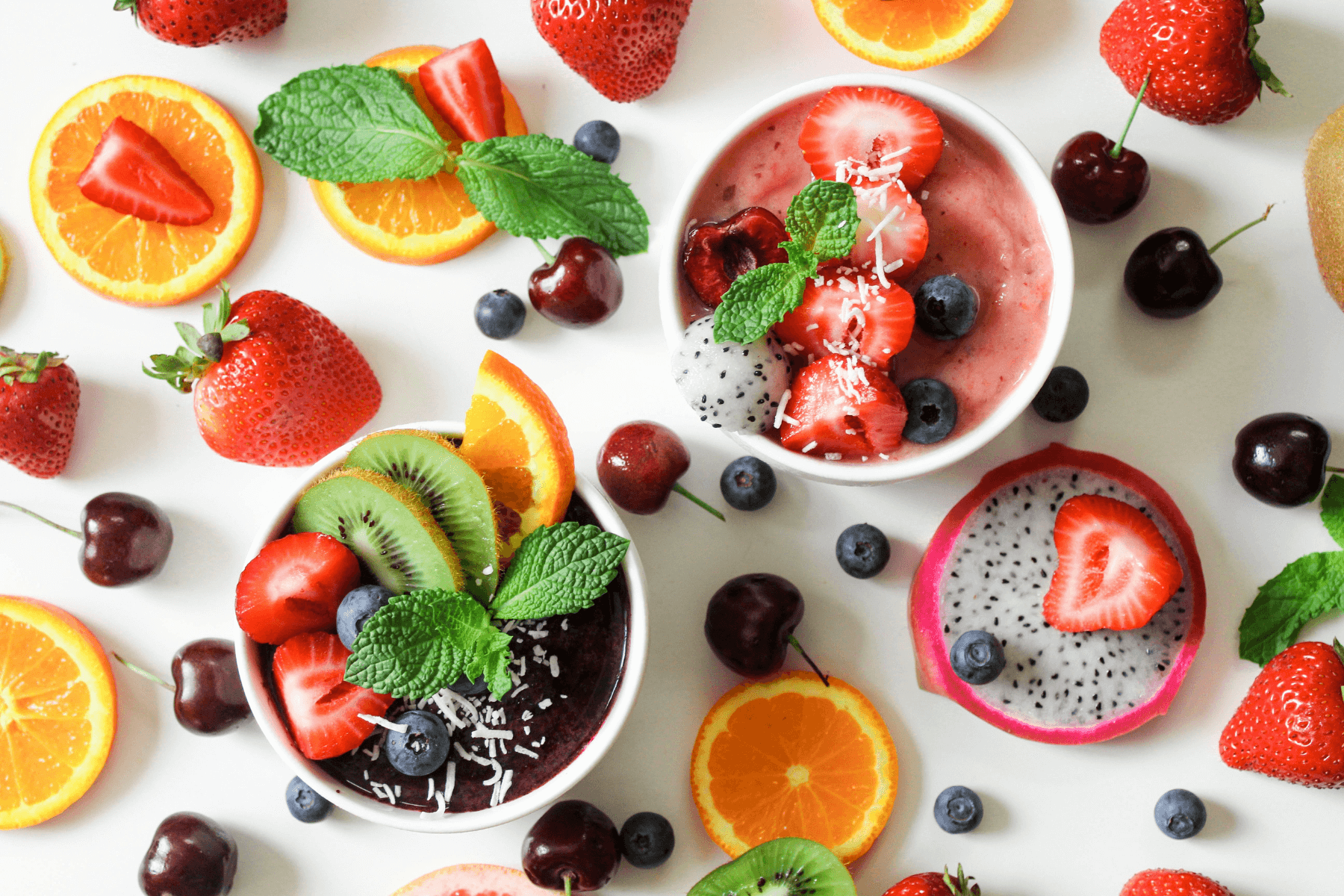
Start Your Day Right: Begin mornings with a smoothie bowl featuring watermelon, strawberries, and a splash of coconut water, topped with fresh papaya and a sprinkle of chia seeds.
Lunch That Refreshes: Create salads with a base of romaine or mixed greens, topped with cucumber, tomatoes, bell peppers, and your choice of protein. Add fresh fruit like grapefruit segments or pineapple chunks for a sweet-savory combination.
Snack Smart: Keep cut vegetables like celery, cucumbers, and bell peppers readily available. Pair them with hydrating dips like tzatziki (made with cucumber and Greek yogurt) or hummus.
Dinner Solutions: Cold soups like gazpacho or fruit soups are perfect for hot evenings. Alternatively, grill vegetables and fruit—zucchini, bell peppers, pineapple—and serve alongside lean proteins.
Beyond Food: Complete Hydration Strategy
While summer hydration foods are incredibly beneficial, they work best as part of a comprehensive approach to staying hydrated:
- Don't Abandon Plain Water: Aim for at least 8-10 glasses daily, more if you're active or spending time outdoors
- Time Your Eating: Consume hydrating foods throughout the day, not just at meals
- Monitor Your Body: Watch for signs of dehydration like dark urine, fatigue, or dizziness
- Limit Dehydrating Substances: Reduce alcohol and caffeine, which can contribute to fluid loss
- Consider Your Activity Level: Increase both food and water intake when exercising or spending extended time in the heat
The Bottom Line
Summer doesn't have to mean constant battles with dehydration. By strategically incorporating water-rich fruits and vegetables into your daily routine, you can support your body's hydration needs while enjoying delicious, nutritious foods. Whether you're biting into a juicy slice of watermelon, savoring tropical papaya, enjoying tangy grapefruit, or adding pineapple to your smoothie, remember that every bite is contributing to your overall wellness.
The beauty of summer hydration foods is that they make staying healthy feel effortless. These foods are designed by nature to help us thrive during hot weather—they're refreshing, flavorful, and packed with nutrients that do more than just provide water. By making them staples in your summer diet, you'll not only stay better hydrated but also feel more energized, support your immune system, and better protect your body from the stresses of heat and sun exposure.
So this summer, think beyond your water bottle. Fill your plate with nature's most hydrating offerings and discover how delicious and effortless proper hydration can be.